CO₂ Laser Tube Cooling Equipment Selection and Installation Requirements
Water cooling equipment is essential for the proper operation of CO₂ laser tubes (hereinafter referred to as "laser tubes"). Selecting unsuitable cooling equipment may cause laser tube rupture, electrical breakdown, unstable output power, abnormal beam spots, and other failures.
To ensure reliable laser tube operation and prevent cooling-related problems, follow the equipment selection and installation requirements below.
1. Select Suitable Water Cooling Equipment
Choose the appropriate water chiller or cooling equipment according to the laser tube model and power requirements.
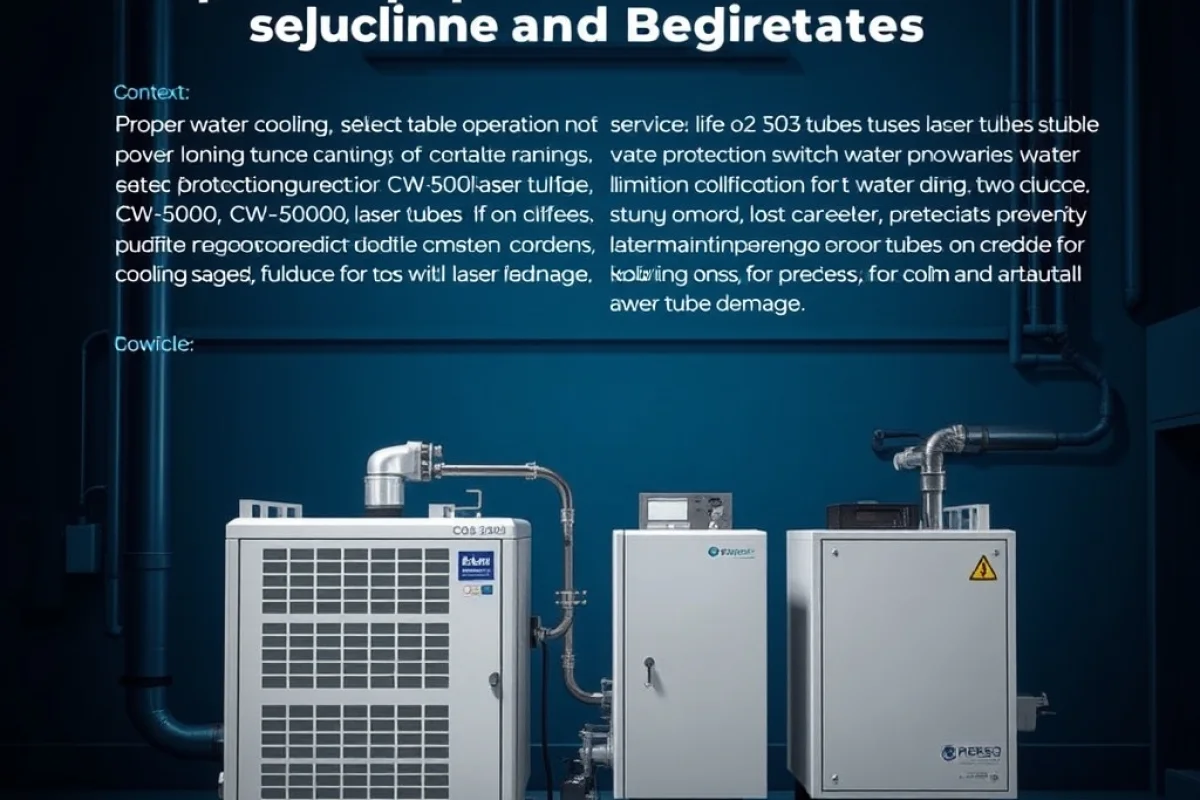
- Models 1400T7, 1600S7, 1600F7 (C6), 1700H7 (C7), and 1800W7 (C8): Select a water chiller with active cooling capability, such as CW-5000, CW-5200, or DIC004.
- Models 1800U7 (C9), 2000K7 (C20), and other high-power laser tubes: Select a water chiller with stronger cooling capacity, such as CW-5300, CW-6000, or DIC005.
- Other laser tubes rated at 80W or below: Select suitable cooling equipment according to the application and operating conditions. Options include CW-3000, DIC002, or a water pump.
2. Install a Water Protection Switch
If the water chiller does not have a built-in water flow protection function, a separate water protection switch must be installed at the water inlet of each laser tube.
If the water chiller has a built-in water protection function, its water protection signal can be used directly.
The water protection switch or water chiller protection signal must be connected to the laser power supply. This ensures that the laser power supply automatically stops laser emission if a cooling system failure occurs.
3. Cooling System Configuration for Two Laser Tubes
When one water chiller supplies cooling water to two laser tubes, the following requirements must be observed:
If the water chiller has only one water protection switch, install a separate water protection switch at the water inlet of each laser tube.
If the water chiller has two independent water protection switches installed at the respective water outlets, its protection signals can be used directly.
4. Avoid Overloading the Water Chiller
Avoid using a water chiller with only one inlet and one outlet to supply cooling water to two laser tubes whenever possible.
One water chiller must not supply cooling water to three or more laser tubes simultaneously, unless it is a specially customized chiller designed for this purpose.
5. Regular Cleaning and Water Replacement
Clean the water cooling equipment regularly and replace the circulating cooling water as necessary.
Prevent dirt, deposits, and other contaminants from accumulating inside the cooling pipes, water pump, and laser tube cooling channels. Blockages can restrict water circulation and cause overheating or damage to the laser tube.
Important: Always select cooling equipment according to the laser tube manufacturer's recommended cooling capacity, water flow rate, and operating temperature. Ensure that the water protection signal is correctly connected and tested before operating the laser machine.