Summer Maintenance Precautions for CO₂ Laser Tubes
As summer temperatures rise, humidity increases, and electricity consumption grows, the failure rate of CO₂ laser tubes (hereinafter referred to as "laser tubes") may increase significantly. To ensure stable laser tube operation throughout the summer and reduce the risk of equipment failures, please observe the following precautions:
1. Use purified water as the cooling medium. During summer, do not use antifreeze, electrolyzed water, windshield washer fluid, or other liquids containing antifreeze components as the cooling medium for laser tubes. Replace any such liquids with purified water.
2. Clean the water chiller and cooling circulation system regularly. Ensure that the laser machine's water protection switch functions properly, the water lines are unobstructed, and the water flow rate meets the requirements specified for the laser tube.
3. Control the chiller water temperature. Keep the cooling water temperature below 35°C. The temperature difference between the cooling water and the indoor ambient temperature should not exceed 5°C (positive in winter and negative in summer). Excessive temperature differences may cause laser tube cavity deformation, inner tube rupture, or output window damage.
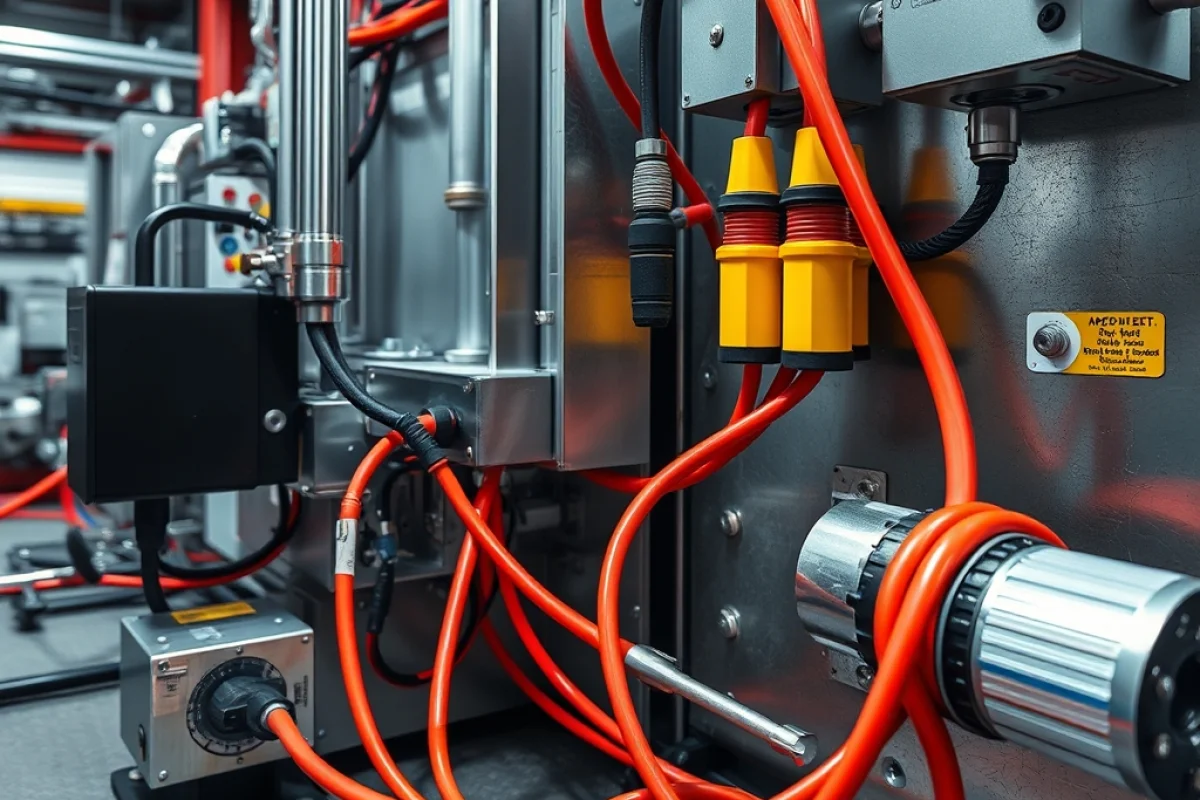
4. Inspect the high-voltage and low-voltage cables. Check all high-voltage and low-voltage cable connections and protective insulation to ensure they are secure and reliable. If any cable shows signs of aging, insulation breakdown, or other damage, replace it immediately.
5. Use the correct high-voltage cable for larger laser tube models. All laser tubes of model 1600S7 and above must use 50 kV-rated high-voltage cables. Keep the high-voltage cable as short as possible and minimize the number of connectors. Never coil or wind the high-voltage cable. Any excess cable should be cut off. Keep high-voltage connectors away from metal components and water pipes to prevent electrical arcing.
6. Reconnect high-voltage components if arcing occurs. If electrical arcing occurs at the high-voltage glass terminal or cable connector, reconnect the affected component properly. If there is any oil contamination around the connection, clean it thoroughly before reconnecting.
7. Keep the high-voltage end and connectors clean. Oil, dust, and other contaminants on the high-voltage end or connectors can cause electrical arcing. Regularly use an air pump and alcohol to remove contaminants. Insulating materials may also be used for additional protection where appropriate.
8. Ensure a stable power supply. If the external power supply is unstable or the voltage drops below 210 V, install a voltage stabilizer or replace the existing laser power supply with a voltage-stabilized power supply of the same model. This helps prevent abnormal or unstable laser output caused by voltage fluctuations or insufficient input voltage.
9. Install the laser tube with the correct water flow direction. Whether water enters from the high-voltage end or the low-voltage end, the water outlet of the laser tube must remain vertically upward. Follow the bottom-inlet, top-outlet principle during installation. Make sure there are no obvious air bubbles inside the cooling water tube.
10. Keep the water inlet and outlet pipes away from the laser tube body. In particular, keep the water pipes away from the tube section near the laser output window. The temperature of this section is generally around 40–60°C on our laser tubes. This helps prevent the outer glass tube from cracking due to condensation or excessively low water pipe temperatures.
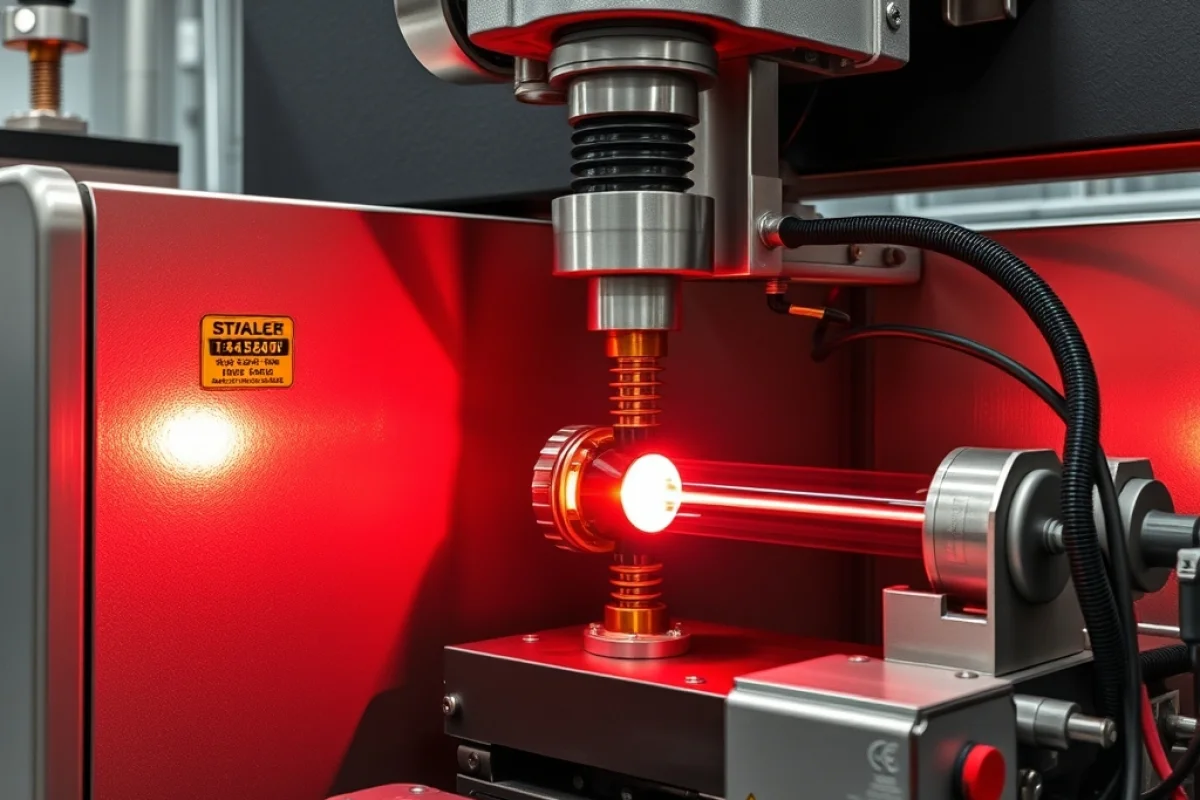
11. Keep the laser tube output window clean. Ensure that the output window is free from dust, oil, and other contaminants. Regularly clean the window using a bamboo cotton swab lightly moistened with absolute ethanol (anhydrous alcohol). Contamination on the output window can affect the laser beam quality and output power.
Important Safety Notice: Always disconnect the laser machine from the power supply before inspecting or cleaning high-voltage components. High-voltage circuits can retain dangerous electrical charges even after the machine has been switched off. High-voltage inspection and maintenance should only be performed by qualified personnel.