CO₂ Laser Tube Output Window Maintenance Requirements
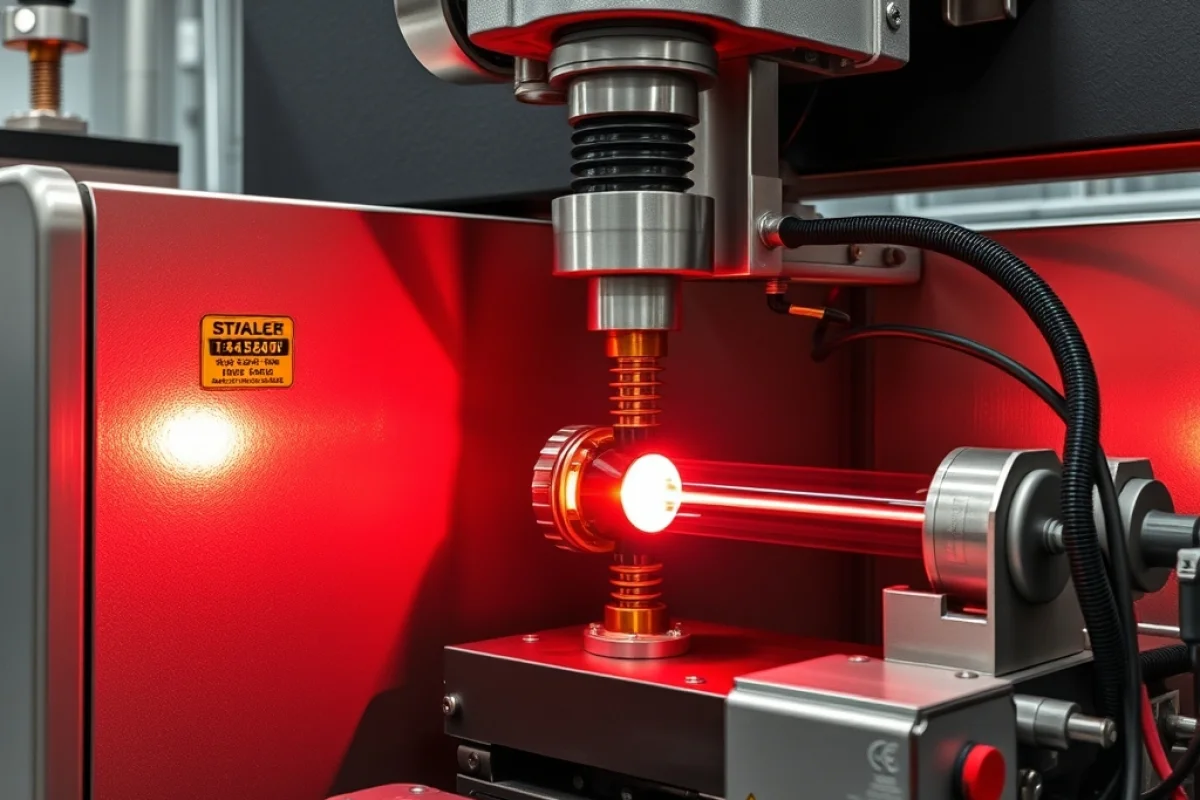
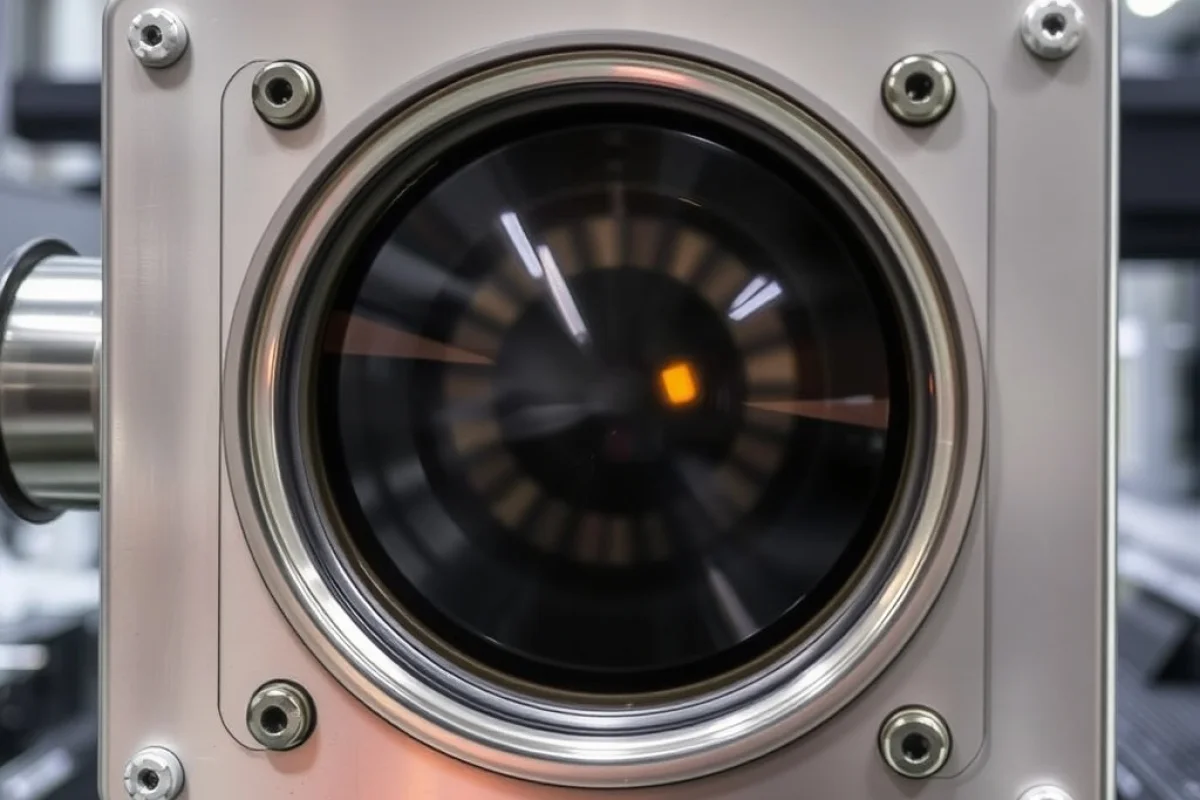
The output window is an important optical component of a CO₂ laser tube (hereinafter referred to as the "laser tube"). It directly affects the laser tube's output power, beam quality, and overall processing performance. Proper maintenance and care of the output window are essential for ensuring normal and reliable laser tube operation.
Please observe the following precautions when cleaning and maintaining the laser tube output window:
1. Clean the output window regularly. At least once or twice a month, use a bamboo cotton swab lightly moistened with absolute ethanol (anhydrous alcohol) to clean the laser tube output window. In harsh environments with high levels of smoke, dust, or other contaminants, increase the cleaning frequency as necessary.
2. Allow the lens to cool before cleaning. Before cleaning the output window, wait until the lens temperature has returned to normal room temperature. Cleaning a lens while it is too hot may cause it to crack or shatter. In addition, absolute ethanol may ignite during cleaning and damage the output window.
3. Clean gently and carefully. Use slow, gentle movements when wiping the output window. If stubborn stains or heavy contamination cannot be removed easily, do not apply excessive pressure. Instead, allow the contaminated area to soak in absolute ethanol for 10–20 minutes, then gently clean it with a bamboo cotton swab. Avoid allowing the bamboo stick itself to touch the lens surface, as this may damage the optical coating.
4. Allow the alcohol to evaporate completely before operation. After cleaning, wait until all absolute ethanol has completely evaporated from the output window before operating the laser tube. Any remaining alcohol may ignite or cause the output window to crack or shatter when the laser is activated.
5. Prevent condensation, frost, ice, and water from reaching the output window. During laser tube operation, condensation, frost, ice, or cooling water must not be allowed to accumulate on or enter the output window. If condensation, frost, ice, or water droplets are detected, first identify and resolve the underlying cause. Then carefully remove all moisture, frost, or ice from the output window before resuming laser operation. Forcing the laser tube to operate under these conditions may cause the output window to crack or shatter.
6. Maintain an appropriate temperature difference between the cooling water and the room. To prevent condensation, frost, and ice from forming on the output window, the temperature difference between the cooling water and the indoor ambient temperature should not be excessive. Ideally, keep the difference within ±5°C (cooling water temperature lower than room temperature in summer and higher than room temperature in winter).
7. Install a dust protection tube when required. All laser tubes equipped with a dust protection tube should be used with the protection tube properly installed. A dust protection tube can significantly reduce contamination of the output window caused by cutting smoke and dust, thereby reducing the frequency of cleaning and helping maintain stable laser tube performance.
Important Safety Notice: Before cleaning the output window, switch off the laser equipment and ensure that the laser tube is no longer emitting laser radiation. Keep absolute ethanol away from flames, sparks, and hot surfaces. Handle the optical window carefully to avoid scratching or damaging its coating.